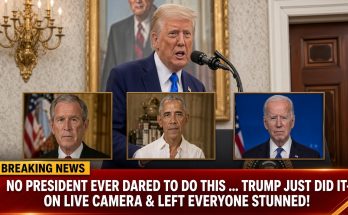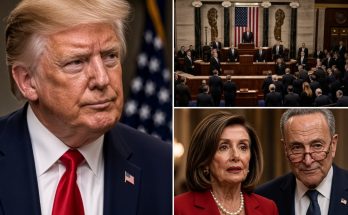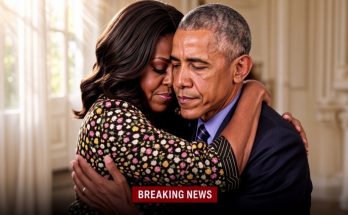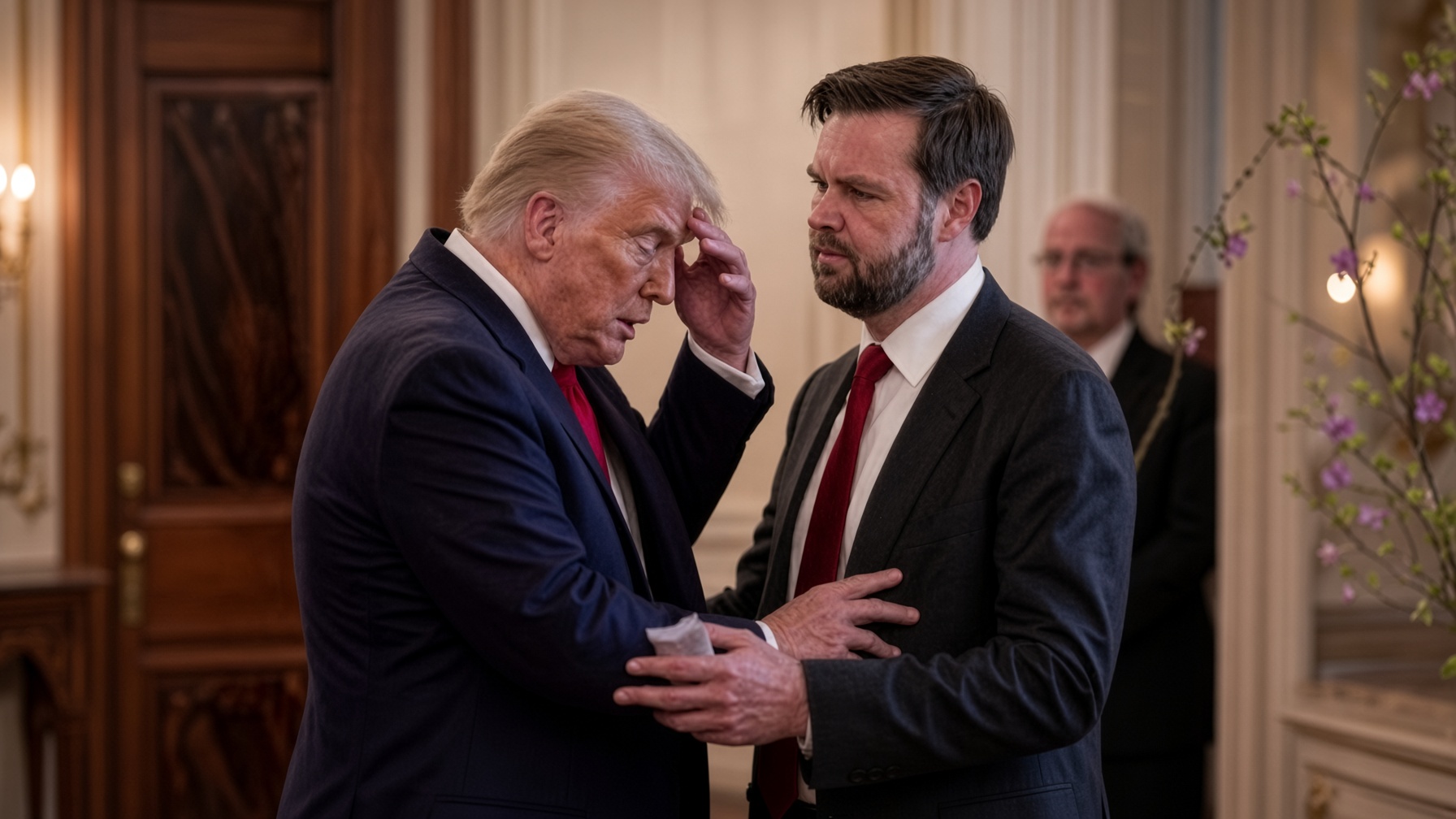
WASHINGTON — A wave of viral social media posts falsely claiming that President Donald Trump was shot in Washington, D.C., has circulated widely across multiple online platforms, fabricating an unfolding emergency without a shred of credible evidence or corroboration from law enforcement.
The speculative posts, which surged online accompanied by urgent breaking-news banners and dramatic declarations that the commander-in-chief was targeted “minutes ago,” gained traction through rapid cross-platform sharing. However, comprehensive monitoring of federal law enforcement agencies, the Executive Office of the President, the United States Secret Service, and accredited national news organizations confirms that no such attack occurred.
In any genuine national security emergency involving an armed assault on a sitting president, immediate operational protocols trigger visible emergency alerts, high-level press briefings, and on-the-record statements from military and civilian agencies. No hospital admissions, elevated security perimeters, or emergency medical escorts have taken place in the capital, rendering the viral claims wholly unfounded.
The rapid velocity of the fabricated story highlights the persistent operational challenges digital platforms face when volatile rumors outpace basic verification. Disinformation analysts note that bad-faith accounts and engagement-driven automated bots frequently exploit heightened political atmospheres by repurposing unrelated archival media to manufacture urgency.
By weaponizing out-of-context video snippets, old photographic records, or fabricated television chyron graphics, viral purveyors construct an illusion of real-time breaking events. Users encountering these synthetic emergencies frequently amplify them across their personal networks before independent fact-checking organizations or official spokespersons can publish corrective statements.
The viral rumors gained artificial plausibility in the public imagination due to the documented history of genuine security breaches and armed violence directed at Trump during his political career.
Most notably, Trump survived a high-profile assassination attempt on July 13, 2024, during an outdoor campaign rally in Butler, Pennsylvania. In that incident, 20-year-old gunman Thomas Matthew Crooks opened fire with an AR-15-style rifle from an unsecured warehouse roof outside the perimeter, striking Trump in the upper right ear, killing attendee Corey Comperatore, and critically injuring two other spectators before a Secret Service counter-sniper killed the shooter.
The harrowing Butler attack produced extensive, globally recognized photographic and video records—including footage of bloodied Secret Service agents shielding Trump as they rushed him to an armored limousine. Archival footage from that 2024 shooting, alongside imagery from a subsequent September 2024 incident at Trump International Golf Club in West Palm Beach, Florida, continues to be frequently spliced, re-edited, and recirculated out of chronological sequence by bad actors looking to fabricate contemporary crises.
The digital rumor mill was also likely fueled by lingering public memories of real-world security incidents within the capital itself, such as an armed confrontation at an outer White House security checkpoint in the spring of 2026. While that event involved Secret Service tactical personnel engaging an individual outside the perimeter, it had no connection to the president’s personal physical safety, nor did it involve gunfire directed at his person. Nevertheless, sensationalized aggregators often strip such encounters of their specific dates, geographic boundaries, and factual outcomes, weaponizing lingering tension to drive viral engagement.
Information security researchers and journalistic watchdogs emphasize that distinguishing between verified breaking news and coordinated disinformation requires disciplined scrutiny of source attribution. Unsubstantiated social media threads, screenshot captures without functional hyperlinks, and anonymous accounts claiming exclusive scoops carry no evidentiary weight during complex public safety episodes.
The record remains unambiguous: there has been no shooting targeting Donald Trump in Washington, D.C., no protective security detachment has mobilized for a trauma transport, and the commander-in-chief was not harmed. Claims suggesting otherwise are entirely false, representing the latest iteration of speculative internet rumors manufactured to exploit digital news feeds.