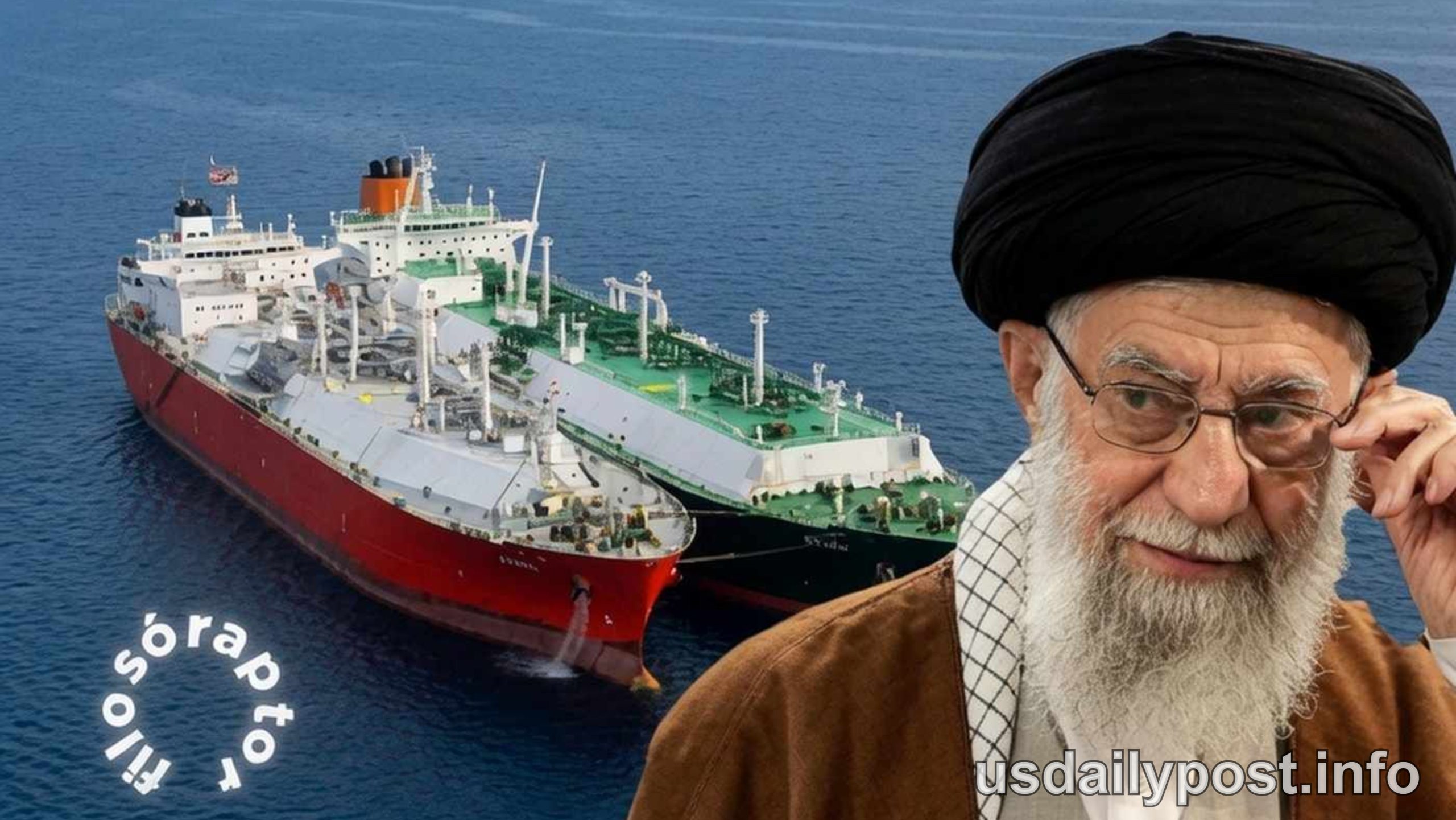
The Trump administration is negotiating a potential agreement with Iran to end the ongoing conflict, with Secretary of State Marco Rubio saying progress is being made on key issues including nuclear enrichment and reopening the Strait of Hormuz.
President Donald Trump, Vice President JD Vance, and other senior officials have been working to finalize terms of a possible deal. Iranian officials gathered in Qatar on Monday as diplomatic talks progressed, with Tehran acknowledging that significant progress has been made on numerous issues.
What’s Being Negotiated
The potential agreement would require Iran to eliminate highly enriched uranium stockpiles and commit to limiting nuclear enrichment for an extended period. In exchange, the United States would lift its naval blockade of the Strait of Hormuz and ease economic sanctions on Iran.
“The straits have to be open, they’re going to be open,” Rubio said during a trip to India, emphasizing that the current situation is “unlawful, it’s illegal, it’s unsustainable for the world, it’s unacceptable.”
A senior administration official said negotiations are focused on enforcement mechanisms for any agreement, with the length of restrictions being less important than how compliance would be verified. The official characterized the negotiations as progressing better than expected, noting Iran appears more willing to negotiate following recent military operations.
Military Tensions Amid Diplomacy
U.S. Central Command conducted what it called “self-defense strikes” against Iranian military targets in southern Iran on Monday to protect American forces. The strikes targeted missile launch sites and Iranian vessels attempting to deploy mines in regional waters.
“U.S. Central Command continues to defend our forces while using restraint during the ongoing cease-fire,” said Captain Tim Hawkins of Central Command, without disclosing specific details about the strikes or which American vessels were threatened.
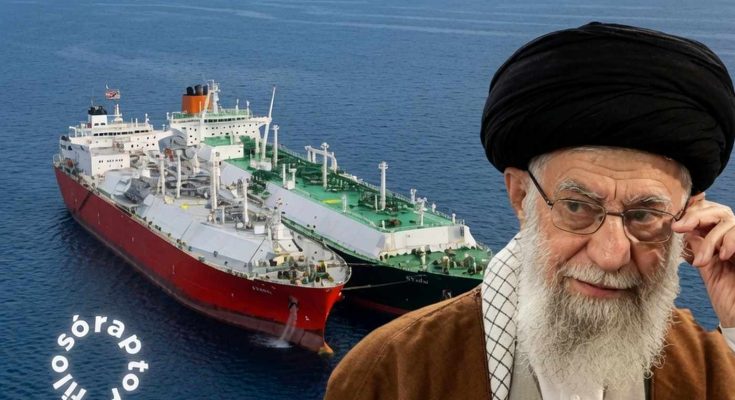
Some of the dozens of American warplanes and nearly two dozen Navy warships, including two aircraft carriers, were targeted by Iranian surface-to-air missiles, according to a senior U.S. military official. The strikes occurred near the Iranian port and navy base at Bandar Abbas.
Iran’s Position
Iranian Foreign Ministry spokesman Esmaeil Baqaei said Tehran and Washington have reached conclusions on numerous negotiating points but cautioned against expectations of an imminent agreement. He accused the United States of shifting its negotiating positions.
“It is correct to say that we have reached a conclusion on a large portion of the issues under discussion,” Baqaei said during a weekly briefing. “But to say that this means the signing of an agreement is imminent-no one can make such a claim.”
Trump Administration’s Approach
Trump stated that any agreement with Iran would be a “good and proper one,” contrasting his approach with the Obama administration’s 2015 nuclear deal. He criticized the previous agreement, claiming it gave Iran “massive amounts of CASH, and a clear and open path to a Nuclear Weapon.”
Rubio indicated that multiple rounds of detailed discussions remain necessary before a final agreement can be reached. “There’s a lot of talking back and forth going on about specific language in the initial document, so it’ll take a few days,” he said.
This story has been updated. CNN’s National Security team contributed to this report.