The Supreme Court cleared the way for Alabama to redraw its congressional districts after striking down a lower court order requiring two majority-Black voting districts.
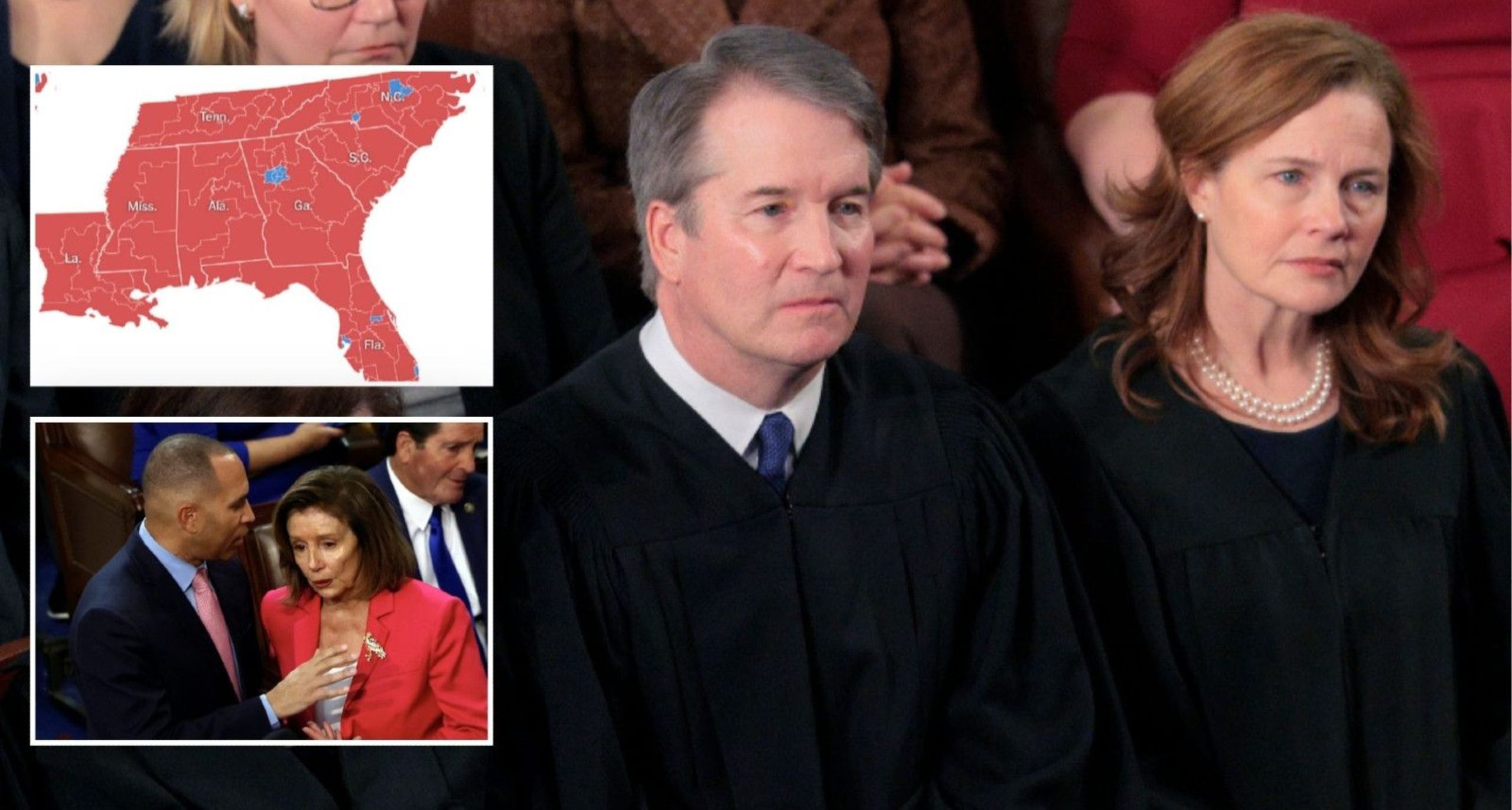
In a 6-3 decision Monday, the justices vacated the previous order and directed lower courts to reconsider Alabama’s redistricting maps in light of the court’s recent Louisiana v. Callais ruling. That decision limited the use of race in congressional redistricting and struck down Louisiana’s map as an unconstitutional racial gerrymander.
What The Court Decided
The Supreme Court’s majority determined that the lower court’s requirement for two majority-Black districts conflicted with the justices’ recent limitations on the Voting Rights Act. Justices Sonia Sotomayor, Elena Kagan, and Ketanji Brown Jackson dissented from the decision.
Alabama officials said they were prepared to act quickly on new maps. Republican Gov. Kay Ivey indicated the state would revert to congressional district lines approved by the Legislature in 2023 and state Senate maps from 2021.
Redistricting Timeline And Elections
Alabama’s May 19 primary election is expected to proceed as scheduled. A recently enacted law gives Ivey authority to call special elections after the primary in any districts affected by redistricting changes.
The state is among several moving to redraw congressional boundaries before November’s midterm elections. Republicans have gained momentum in nationwide redistricting efforts, with the GOP potentially positioned to pick up additional House seats through maps under consideration in Texas, Missouri, North Carolina, Ohio, Florida, and Tennessee.
The Court’s Accelerated Timeline
Last week, the Supreme Court allowed its Louisiana ruling to take effect immediately, granting a request to bypass the typical 32-day waiting period before transmission to lower courts. The justices determined that