WASHINGTON, D.C. — Questions surrounding President Donald Trump’s recent medical evaluation continued to draw attention after an exchange with reporters aboard Air Force One left many seeking additional details about the scope of the examination.
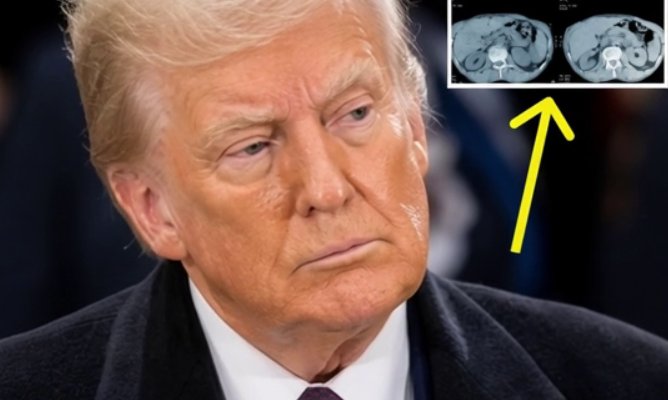
When asked why an MRI had been performed if the appointment was simply part of a routine physical, President Trump responded by praising the outcome of the evaluation, describing the results as “outstanding,” “excellent,” and among the best he has ever received. However, he did not provide specific information about what the imaging examined or whether it focused on his brain, heart, or another part of his body. The limited details offered during the exchange prompted renewed public discussion about the medical visit and what information, if any, might later be released.
The White House has maintained that there is no cause for concern, characterizing the appointment as an expanded wellness evaluation conducted before a demanding schedule of domestic and international travel. Officials have emphasized that the president remains capable of carrying out the responsibilities of the office and have rejected suggestions that the visit was prompted by an undisclosed medical issue.
Nevertheless, the lack of a comprehensive medical summary has fueled continued interest from journalists, political observers, and members of the public. Unlike some previous presidential medical evaluations that included detailed reports from physicians, this visit has not been accompanied by a full public release outlining the specific tests performed, the findings, or the rationale for additional imaging. As a result, questions have persisted regarding the scope of the examination and whether further information will be made available.
The discussion has quickly spread across television news programs and social media platforms, where supporters argue that the White House has already provided sufficient reassurance, while critics contend that greater transparency would help address lingering questions. Political commentators have also noted that presidential health has historically been a subject of significant public interest, particularly during election cycles when voters closely scrutinize candidates’ fitness for office.
Public speculation has continued to grow in the absence of additional medical documentation. Commentators, comedians, and social media users have debated the significance of the MRI, while others have cautioned against drawing conclusions without verified medical information. To date, no publicly released evidence has indicated that the examination was connected to a serious health condition, and officials have not announced any diagnosis or ongoing medical concern.
As the election season intensifies, issues surrounding the health, age, and fitness of national leaders remain a prominent topic of political debate. Whether the administration chooses to release a more detailed medical report in the coming weeks may determine whether questions surrounding the president’s recent evaluation subside or continue to dominate public discussion.