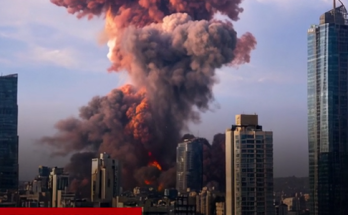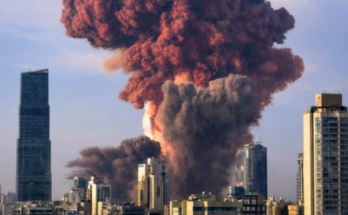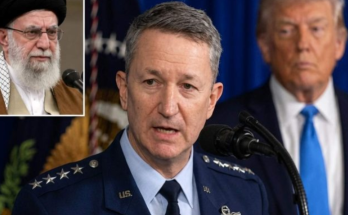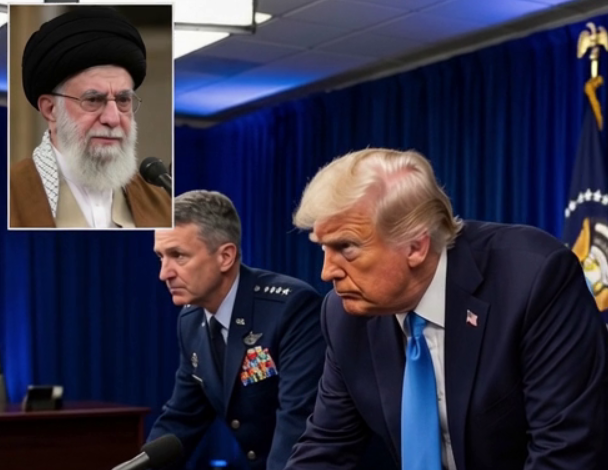
WASHINGTON, D.C. — A sharp escalation between the United States and Iran unfolded Tuesday after the Islamic Revolutionary Guard Corps launched multiple ballistic missiles toward U.S. forces in the Middle East, prompting a swift military response from American and Saudi forces.
According to U.S. Central Command, the Iranian missiles were intercepted, and American forces remained on heightened alert following the attack. Later, U.S. and Saudi fighter aircraft conducted precision strikes against targets in eastern Iraq that officials identified as being linked to IRGC-directed militant activity.
The strikes reportedly focused on weapons and logistical facilities associated with Iranian-backed groups accused of carrying out dozens of attacks against U.S. personnel and facilities in the region.
The developments underscore the increasingly complicated security environment surrounding American forces in the Middle East, where military confrontation and diplomatic negotiations are occurring simultaneously. Iran has continued to maintain relationships with armed groups across the region while facing pressure from Washington over its military activities and support for proxy organizations.
The involvement of Saudi Arabia also drew attention. Riyadh has increasingly positioned itself as a regional security partner to Washington, and the participation of Saudi aircraft alongside U.S. forces represents a significant demonstration of military cooperation.
American officials have repeatedly warned that attacks against U.S. personnel or critical infrastructure would trigger a response. Tuesday’s sequence appeared to reinforce that message: Iranian missiles were intercepted, followed by strikes against infrastructure allegedly supporting attacks on American forces.
The confrontation comes amid broader concerns over Iran’s regional activities. U.S. officials have accused the IRGC of directing or supporting armed groups responsible for attacks on American personnel, while Tehran has consistently defended its regional policies and rejected Washington’s characterization of its allies as terrorist proxies.
The latest exchange also highlights the risks facing diplomatic efforts. Negotiations and military operations can occur simultaneously, but repeated attacks increase the possibility that a single incident could trigger a much broader conflict.
For Washington, the immediate priority remains protecting American personnel and deterring additional attacks. U.S. forces in the region have been placed on heightened readiness, while commanders continue monitoring Iranian military activity and the movements of affiliated armed groups.
Saudi Arabia’s participation adds another dimension to the confrontation. Riyadh has its own longstanding security concerns involving Iran, particularly following years of attacks and threats targeting regional infrastructure and energy facilities.
Tuesday’s events therefore represent more than a single exchange of fire. They demonstrate the difficult balance facing the United States as it attempts to combine military deterrence with diplomacy.
The situation remains fluid, and officials have warned that additional attacks could produce further military responses. For now, the message from Washington is clear: attacks against U.S. forces will be met with defensive action and, where officials determine it necessary, strikes against the networks believed responsible.