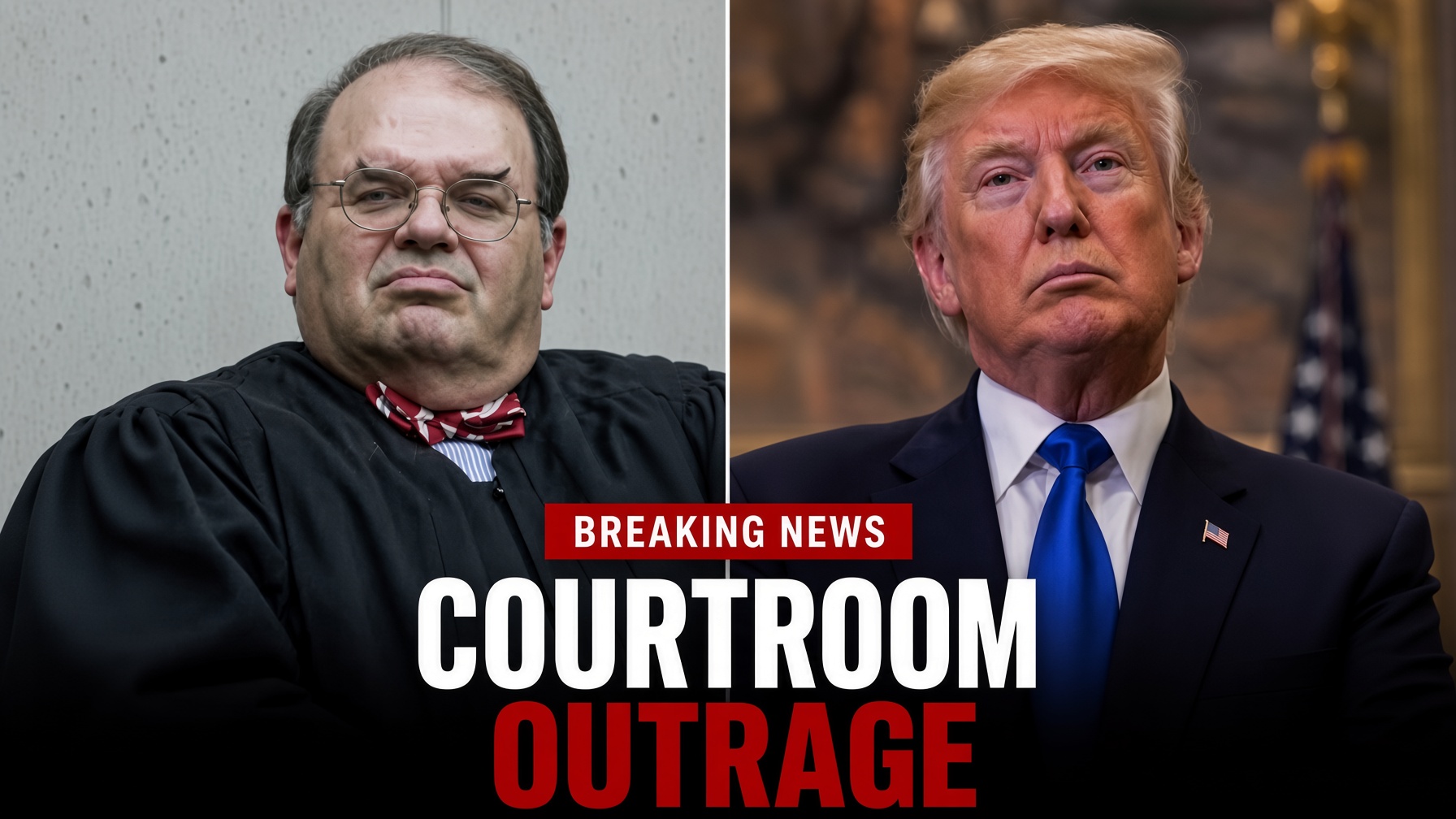
A federal appeals court has ruled that portions of the Trump administration’s policy restricting transgender military service are unconstitutional, setting up another legal confrontation over the administration’s approach to military personnel policy.
In a 2-1 decision, the appeals panel concluded that parts of the policy advanced by Defense Secretary Pete Hegseth were unlawful, finding that the restrictions appeared to be motivated by hostility toward a politically unpopular group. The ruling also questioned whether several provisions were supported by legitimate military considerations.
The court wrote that the policy appeared to target applicants and service members based on what the administration characterized as a “false gender identity.” According to the decision, some of the restrictions extended beyond individuals currently experiencing or recently experiencing gender dysphoria and included disqualifications the majority said lacked an adequate explanation or reasonable justification.
The ruling immediately reignited a broader national debate over the role of federal courts in military policy and the extent to which the armed forces can establish eligibility standards for service.
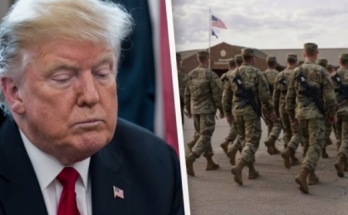
Supporters of the administration argue that military service is different from ordinary employment and that the armed forces must be permitted to establish standards based on readiness, discipline, medical considerations and operational requirements. They contend that decisions involving military personnel should receive substantial deference from the courts.
Critics of the policy, however, argue that the government cannot exclude individuals based primarily on transgender status and that military standards must comply with constitutional protections. The appeals court majority emphasized that the government must provide a legitimate justification when imposing restrictions that affect a particular group.
The decision does not completely invalidate the administration’s broader policy. The appeals panel allowed the prohibition on new transgender enlistments to remain in place for the time being, meaning the legal dispute is likely to continue.
The case highlights a recurring tension between presidential authority over the armed forces and judicial review of executive policies. While the president and military leadership possess significant authority to determine how the armed forces are organized and managed, those decisions remain subject to constitutional and statutory limits.
The ruling also comes amid continuing political disagreements over military readiness, personnel standards and the role of diversity policies within the armed forces. Republicans supporting the administration have portrayed the restrictions as an effort to establish clear military standards, while Democrats and civil-rights advocates have described them as discriminatory.
For the administration, the decision represents another legal obstacle to its efforts to reshape military policy. For opponents, it provides a significant judicial challenge to restrictions they argue are constitutionally flawed.
With the appeals court leaving part of the policy temporarily intact, the dispute is unlikely to end with Monday’s ruling. Further litigation could determine whether the administration can ultimately enforce the restrictions nationwide or whether additional provisions will be blocked.
The case therefore remains part of a much larger national debate over military authority, constitutional rights and the standards that should govern eligibility for service in the U.S. armed forces.