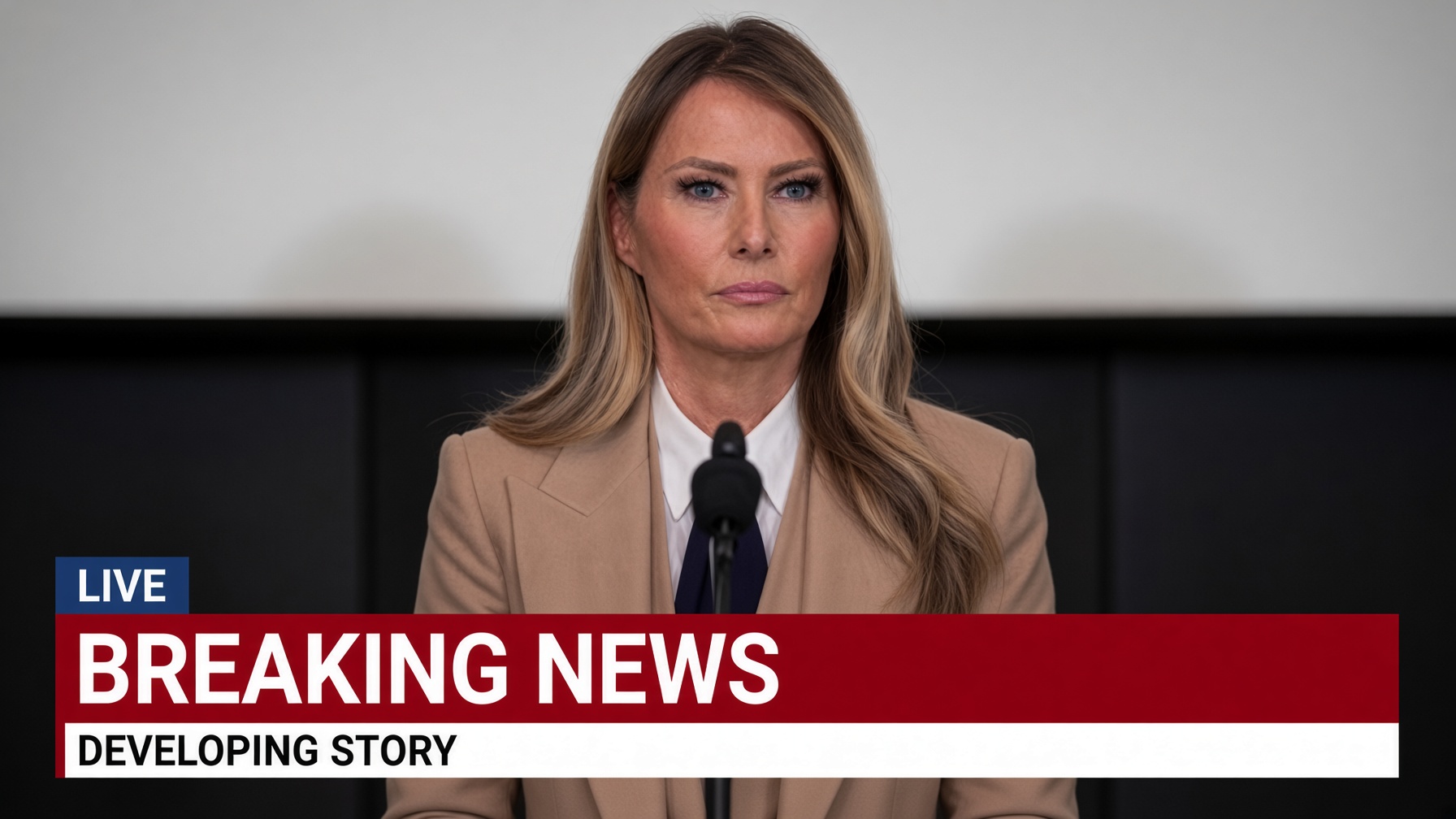
NEW YORK — A federal judge has dismissed author and journalist Michael Wolff’s preemptive lawsuit against first lady Melania Trump, declining to decide whether statements at the center of the dispute were defamatory or protected speech.
U.S. District Judge Mary Kay Vyskocil of the Southern District of New York issued the 45-page ruling May 22, concluding that the dispute should proceed through the ordinary legal process rather than through Wolff’s attempt to obtain a ruling before a conventional defamation case was litigated.
The judge acknowledged that Wolff and Trump have a genuine legal dispute but said Wolff could not effectively ask the federal court to determine in advance that he would prevail if Trump brought a defamation case.
Vyskocil described the litigation strategy as involving an “inappropriate level of tactical gamesmanship” and declined to reach the underlying merits of the controversy.
Dispute Centers on Epstein-Related Statements
The case arose after Wolff made public comments concerning Melania Trump and Jeffrey Epstein, the convicted sex offender who died in federal custody in 2019 while awaiting trial on sex-trafficking charges.
Trump’s legal representatives demanded that Wolff retract statements they considered defamatory and indicated that she could pursue a defamation claim seeking substantial damages. Wolff instead filed his own lawsuit, seeking a judicial declaration concerning the legality of his statements.
The case was initially filed in New York state court before being removed to federal court in December 2025. The federal docket identifies the case as Wolff v. Trump, No. 1:25-cv-10752.
Vyskocil determined that the federal court had subject-matter jurisdiction because Wolff and Trump are citizens of different states and the threatened claim involved potentially $1 billion in damages. However, she concluded that the court should exercise prudential abstention and allow the dispute to proceed through the normal litigation process.
Ruling Does Not Resolve Defamation Question
The decision does not establish that Wolff’s statements were defamatory. It also does not establish that the statements were protected by the First Amendment.
Instead, the judge declined to decide those substantive questions in Wolff’s preemptive action. The clerk entered judgment in favor of Melania Trump on May 26.
The ruling therefore leaves the underlying dispute unresolved and does not prevent either side from pursuing additional legal action through the appropriate court.
Wolff has appealed the dismissal to the U.S. Court of Appeals for the Second Circuit. The appellate docket lists the case as No. 26-1674, with Wolff’s opening brief scheduled for October 1, 2026.
The controversy remains tied to broader public disputes over statements concerning the Trump family and Epstein. Both sides have maintained sharply different positions over what was said and whether those statements crossed the legal boundaries of defamation.
For now, however, the federal ruling is procedural rather than a final determination of the underlying allegations. Any future defamation proceedings would have to be considered separately under the applicable rules and legal standards.