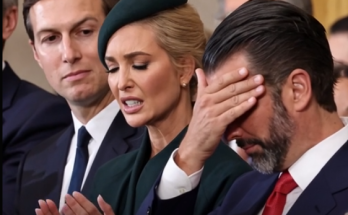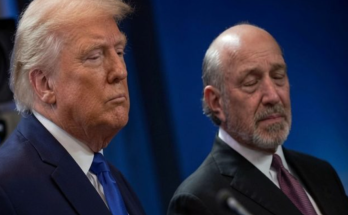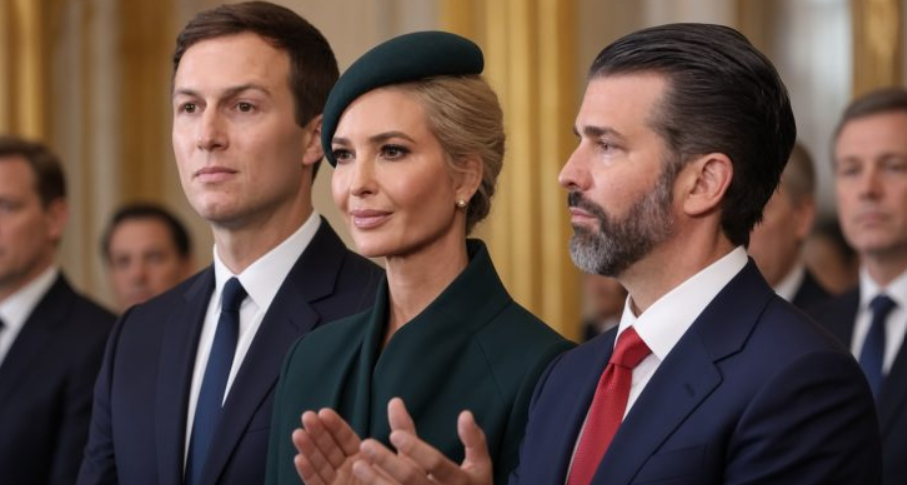
LONDON — The BBC is seeking documents and testimony from members of President Donald Trump’s family as it expands its legal defense against Trump’s reported $10 billion defamation lawsuit, potentially drawing the president’s relatives further into one of the most closely watched media disputes of the year.
The broadcaster is seeking information it believes could help establish the circumstances surrounding the disputed reporting, including how the material was produced, presented and interpreted. BBC attorneys are expected to argue that communications and testimony from people close to Trump could help determine whether the reporting caused the alleged reputational harm claimed in the lawsuit.
Trump has accused the BBC of publishing or presenting misleading material that damaged his reputation and has sought substantial financial compensation. The broadcaster has rejected the allegations and is preparing to contest the claims in court.
Family Members Could Face Discovery Requests
The BBC’s decision to pursue evidence from Trump’s family represents a significant development in the litigation. If the requests are approved, family members could be required to provide relevant documents, answer questions under oath or participate in depositions.
The requests do not, by themselves, accuse Trump’s relatives of wrongdoing. Instead, the BBC maintains that individuals within the president’s inner circle may possess information relevant to Trump’s claims, including communications concerning the disputed material and its alleged impact.
The scope of discovery is likely to become another point of contention between the two sides. Lawyers could battle over which documents must be produced, which witnesses can be questioned and whether particular requests are relevant to the underlying defamation claims.
A High-Stakes Battle Over Journalism
The lawsuit has intensified an already contentious relationship between Trump and major news organizations. The president has repeatedly criticized media outlets over coverage he considers inaccurate or unfair, while his legal actions have increased pressure on organizations defending their reporting.
For the BBC, the case represents a major test of its ability to defend its editorial decisions against an unusually large financial claim. The broadcaster is expected to focus on the accuracy and context of its reporting while challenging the legal basis of Trump’s allegations.
Legal experts are also watching the case because of its potential implications for defamation law and coverage of powerful public figures. A dispute involving a sitting U.S. president and one of the world’s largest international broadcasters could raise important questions about press freedom, accountability and the standards applied to reporting involving public officials.
With billions of dollars reportedly at stake, both sides have strong incentives to establish their competing versions of events through the discovery process.
The BBC’s effort to obtain evidence from Trump’s family signals that the litigation could become broader as the case develops. Further disputes over subpoenas, testimony and access to records are likely as lawyers on both sides build their arguments.
For now, the case remains a high-profile confrontation between the president and a major international news organization, with proceedings likely to receive sustained attention in both the United States and Britain as the legal battle moves forward.