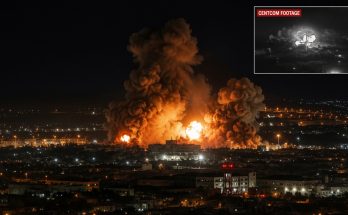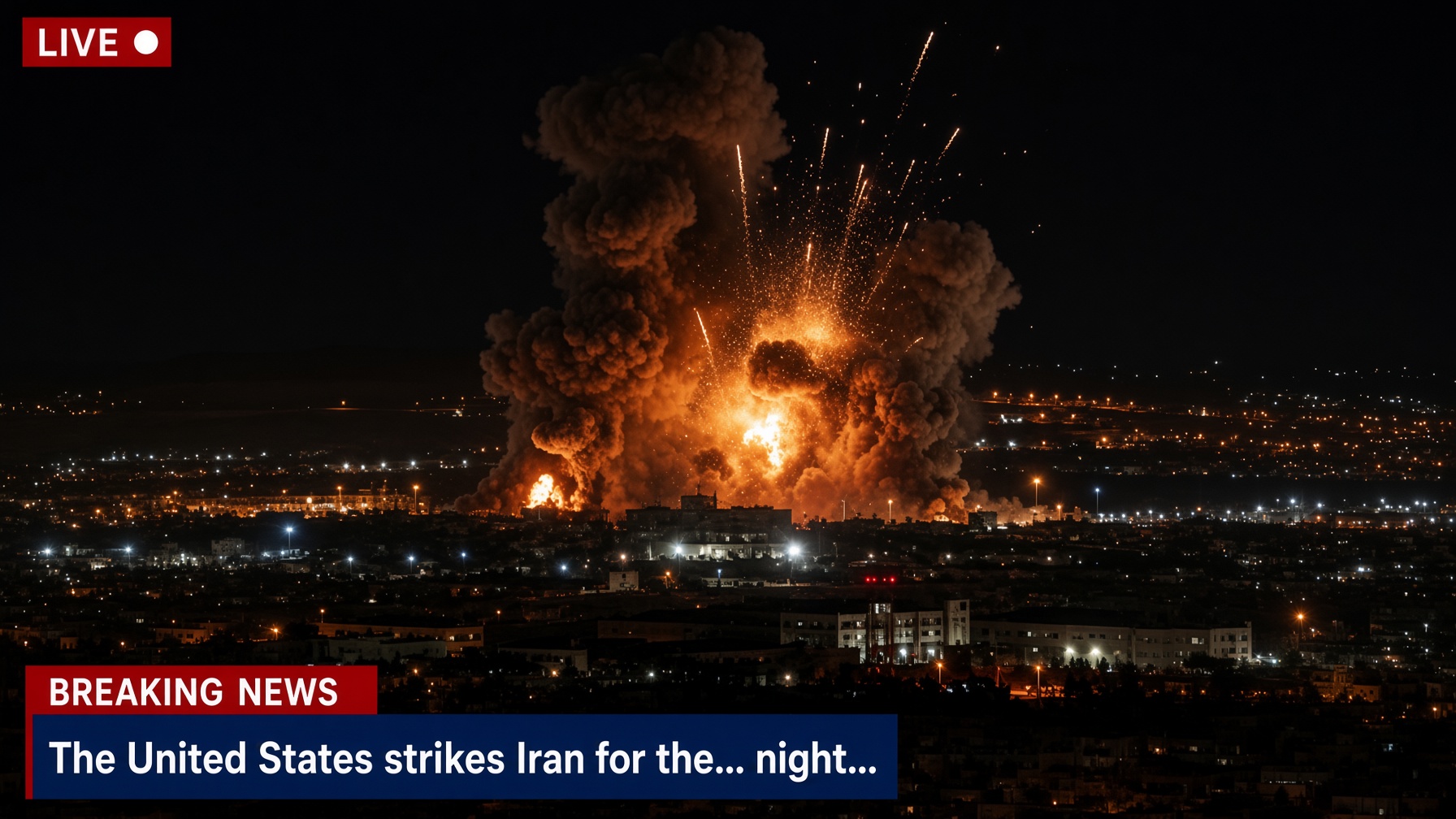
The U.S. military has continued its campaign against Iranian military targets for a seventh consecutive night, as U.S. Central Command releases additional footage that it says documents the latest phase of operations across the region.
According to CENTCOM, the newest strikes targeted a range of military objectives, including surveillance and intelligence facilities, logistics infrastructure, underground weapons storage sites and maritime capabilities. U.S. officials say the operations are intended to weaken Iran’s ability to conduct military operations and project power across the Middle East.
Footage released through official military channels reportedly shows aircraft involved in the campaign, precision-guided strikes and elements of the planning and execution process. U.S. authorities have maintained that the campaign is focused on military assets and strategic infrastructure rather than civilian targets.
However, independent assessments of damage and the broader consequences of the strikes remain ongoing. As the operation continues, determining the full extent of the destruction and any potential civilian impact is expected to depend on further investigation and information from multiple sources.
The seventh consecutive night of strikes underscores the scale and intensity of the confrontation. Military analysts are closely watching whether the campaign remains focused on specific Iranian capabilities or develops into a wider regional conflict involving additional countries and armed groups.
Iranian officials have strongly condemned the U.S. military operations, describing them as violations of national sovereignty and international law. Tehran has warned that continued attacks could produce serious consequences and has vowed to respond according to its own assessment of the situation.
The exchange of military actions and increasingly forceful statements has heightened concerns among governments throughout the region.
Neighboring countries have continued reviewing their security measures as they monitor developments. Authorities across the Middle East are reportedly increasing surveillance, reassessing emergency-response plans and urging restraint in an effort to prevent the conflict from spreading.
The potential consequences extend beyond military installations.
International shipping routes, energy infrastructure and commercial aviation remain areas of concern as governments and private operators assess the possibility of further escalation. Any disruption involving major maritime corridors or energy facilities could have consequences extending well beyond the immediate conflict zone.
At the same time, diplomatic efforts remain active.
Several governments and international organizations have called on the parties to exercise restraint and pursue diplomatic channels. World leaders have warned that continued escalation could destabilize an already fragile regional security environment and increase the risk of a broader confrontation.
For U.S. military planners, the immediate focus remains on assessing the effectiveness of the campaign, monitoring Iranian responses and adapting operations as battlefield conditions change. Defense officials are also evaluating the wider strategic consequences of sustained strikes.
The situation remains fluid, and operational details could change quickly as new intelligence becomes available.
With military operations continuing alongside diplomatic efforts, the confrontation has become one of the most closely watched international security crises in the world. The coming days could determine whether the campaign remains a limited military operation or develops into a significantly broader conflict.
For now, governments, military officials and markets remain on alert, watching closely for signs of further escalation—or an opening for diplomacy to halt the cycle of strikes and retaliation.