DUBAI — Tensions across the Persian Gulf have intensified following reports of Iranian missile and drone attacks targeting U.S.-linked military facilities in several Gulf states, raising renewed concerns that the conflict could expand into a broader regional confrontation.
The reported attacks are described as part of Iran’s retaliatory campaign following earlier U.S. and Israeli strikes against Iranian targets. Several locations across the Gulf were reportedly placed on heightened alert as air-defense systems responded to incoming threats.
In the United Arab Emirates, reports said the Al Dhafra Air Base near Abu Dhabi came under ballistic-missile attack. Explosions were reported in the area, while subsequent assessments indicated damage to military infrastructure and facilities. UAE authorities temporarily restricted airspace and urged residents to remain away from military installations.
Air-defense systems, including Patriot and THAAD batteries, reportedly intercepted a number of incoming projectiles, although some attacks were said to have caused structural damage.
In Bahrain, explosions were reported near the Al Jufair district in Manama, home to the U.S. Navy’s Fifth Fleet headquarters. Iranian state media claimed that naval facilities had been struck, while Bahraini authorities issued safety warnings and urged residents to seek shelter.
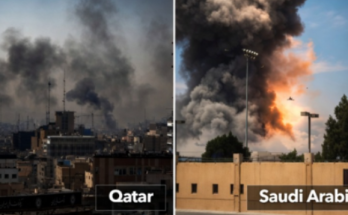
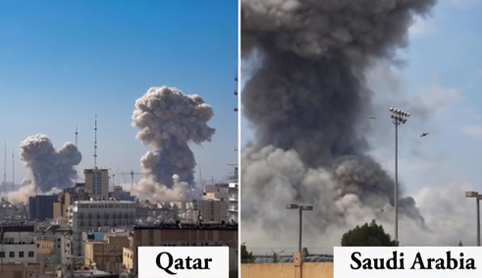
Qatar also reported heightened military activity, with explosions heard around Doha as defensive systems engaged incoming threats. Authorities placed the country on high alert and temporarily closed its airspace while residents were instructed to remain indoors.
Kuwait likewise reported explosions and issued public safety guidance. Iranian attacks were reportedly directed at facilities including Ali Al Salem Air Base and Camp Buehring, with assessments indicating damage to portions of military infrastructure.
The reported strikes form part of a broader pattern of attacks involving Iranian missiles and drones against U.S. and allied positions across the Gulf. Although air-defense systems have prevented many weapons from reaching their intended targets, repeated attacks have reportedly damaged radar systems, aircraft facilities, communications equipment and runways.
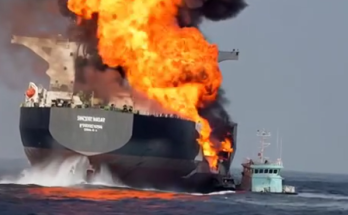
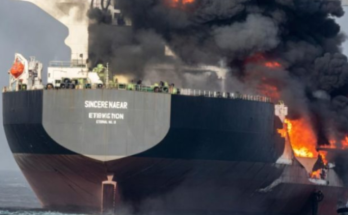
The confrontation has also created wider economic and security concerns. Disruptions to regional airspace, uncertainty surrounding commercial shipping and heightened risks around the Strait of Hormuz have raised concerns about potential effects on global energy markets.
Officials in Gulf countries continue to strengthen defensive measures while urging civilians to follow emergency instructions.
At the same time, conflicting claims from Iranian, U.S. and regional authorities have made it difficult to establish the full extent of the damage. Independent assessments, satellite imagery and additional official statements will be needed to determine the precise impact of the attacks.
The continuing exchanges underscore the vulnerability of forward-deployed military forces and the danger that a single escalation could draw additional countries into direct confrontation.
With diplomatic efforts facing significant challenges, international governments are urging restraint and closely monitoring developments. Further attacks could increase pressure on regional allies, disrupt energy supplies and deepen an already dangerous security crisis across the Middle East.