Iran is preparing for potential talks with the United States focused on the Strait of Hormuz, frozen assets, and the stability of Lebanon following recent military exchanges between the two nations.
Tensions between Tehran and Washington escalated last week with reciprocal military strikes, prompting renewed diplomatic efforts. President Donald Trump announced talks would occur in Doha on Tuesday, though Iranian Deputy Foreign Minister Kazem Gharibabadi disputed this timeline on Monday, stating consultations with Qatari officials would continue instead.
Mehdi Fazaeli, an adviser to Iran’s supreme leader, told state television that Iran canceled Sunday negotiations with the US over fundamental disagreements regarding the Strait of Hormuz and other issues. The back-and-forth signals suggest any discussions will focus on implementing the memorandum of understanding signed on June 17, which both sides have accused each other of violating.
The Strait of Hormuz Dispute
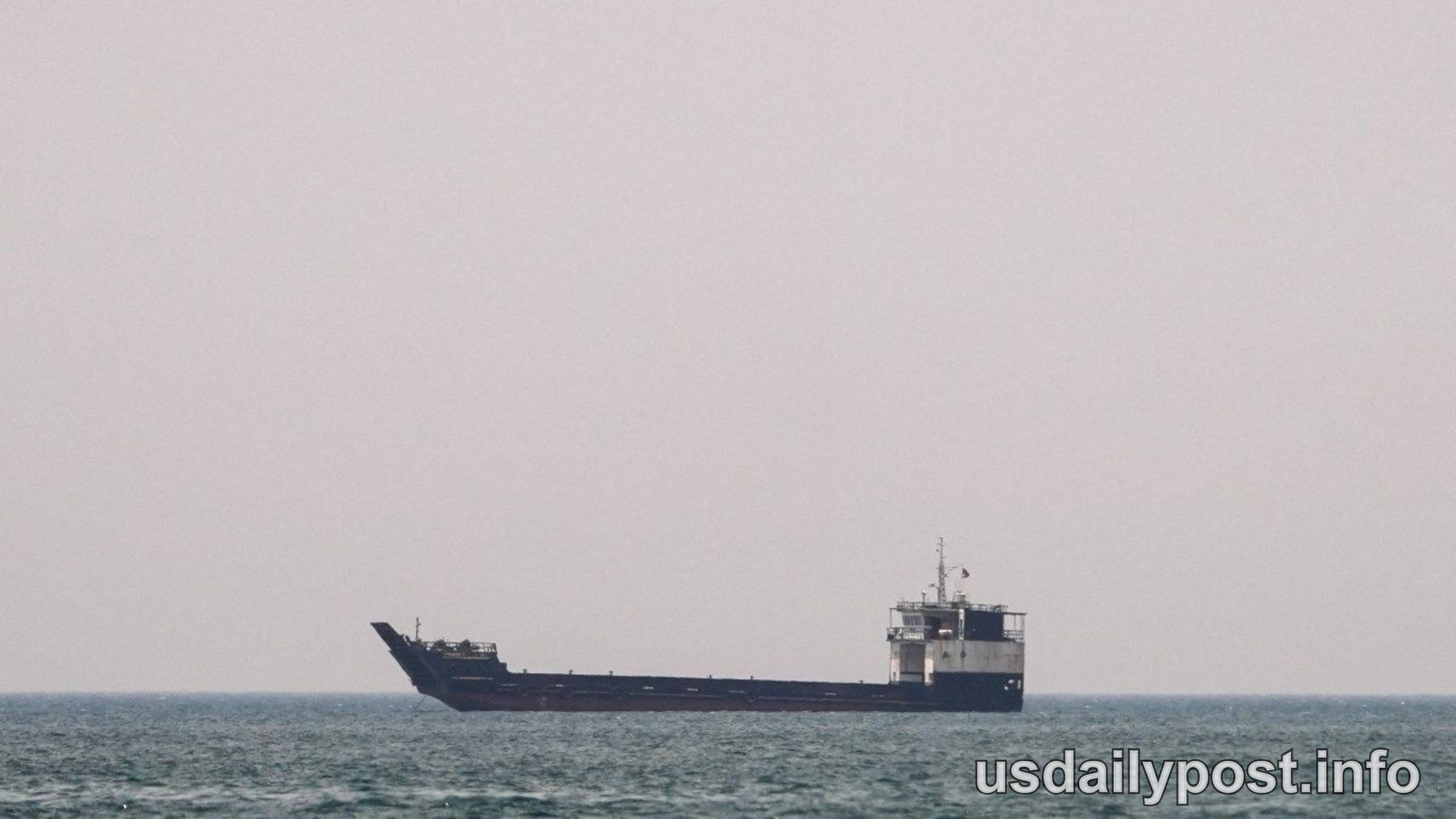
The critical waterway remains the central leverage point in Iran’s negotiations with the United States. Iran seized upon container ships and tankers using a US-backed evacuation route on Thursday, prompting the US to bomb Iranian infrastructure on southern islands.
The MoU commits Iran to ensuring safe passage for commercial vessels with no charge for 60 days between the Persian Gulf and the Sea of Oman. Foreign Minister Abbas Araghchi said Sunday that other nations should not interfere with Iran’s management of the strait and that restoration to pre-war capacity would take at least a month.
Iran plans to extract fees for insurance, environmental services, and other charges-a proposal Washington and international partners have rejected. The MoU explicitly prohibits tolls during the 60-day period, creating a fundamental disagreement that will likely dominate upcoming talks.
Frozen Assets and Economic Relief
Access to Iran’s frozen funds represents another critical negotiating point. President Masoud Pezeshkian has stated Iran expects at least $6 billion held by Qatar to be released as part of the agreement.
Trump administration officials have emphasized that fund access will depend on Iran’s compliance with commitments. Iranian officials have expressed concern about funds being released in name only while remaining functionally inaccessible, based on past experiences.
The MoU stipulates that Iran’s funds must be “fully available for use” once implemented, with release procedures to be mutually agreed. Iran’s central bank chief Abdolnasser Hemmati clarified that while Iran may purchase agricultural products from the US, the agreement does not mandate such purchases.
Lebanon and Regional Stability
The situation in Lebanon has emerged as a significant sticking point in negotiations. The MoU called for an immediate and permanent halt to military operations on all fronts, including Lebanon where Tehran-backed Hezbollah has engaged in armed resistance against Israel.
A deal brokered between the US and Lebanon’s government on Friday does not obligate Israeli forces to evacuate southern Lebanon or cease all attacks, effectively undermining Iran’s interpretation of the MoU’s ceasefire terms. Hezbollah has condemned the agreement, though Lebanese government officials have endorsed it.
Additional Iranian Demands
Iran has outlined several other goals for negotiations, including US recognition of Iranian sovereignty, non-interference in internal affairs, military pullback from Iran’s borders, halting new sanctions, and establishing formal monitoring mechanisms. A reconstruction and economic development package has also been proposed by Tehran.
The nuclear program will not be subject to negotiations under the current MoU framework. However, hardline factions in Tehran, represented by more than 60 members of the Assembly of Experts, have demanded negotiators avoid discussions of Iran’s nuclear rights, missile program, compensation for assassinated leaders, and sanctions removal.
Iranian authorities have previously indicated willingness to dilute highly enriched uranium as part of nuclear concessions, contingent on a clear step-by-step timetable guaranteeing economic benefits from sanctions relief.
This story has been updated. CNN’s International Desk contributed to this report.