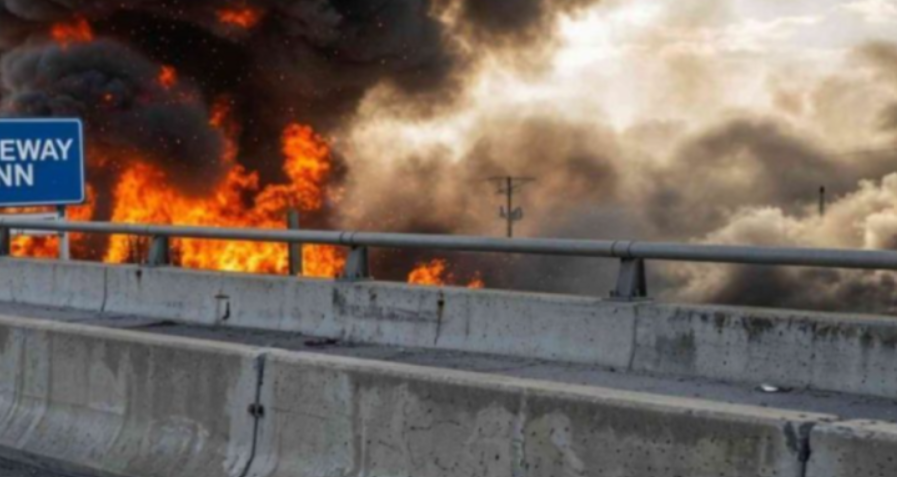
As dawn broke across much of Asia, a powerful earthquake struck the China–Myanmar border region, jolting millions of people awake and serving as a stark reminder of the immense power of nature. The sudden quake sent shockwaves through communities near the epicenter, causing widespread panic as residents rushed from homes, apartment buildings, schools, and businesses in search of safety.
The violent shaking caught many people completely off guard. Within seconds, buildings swayed, walls cracked, and debris began falling into streets as terrified families fled outdoors. In some of the hardest-hit areas, damaged structures were left partially collapsed, roads were blocked by rubble, and emergency responders were dispatched to assess the extent of the destruction.
According to seismic monitoring agencies, the earthquake was strong enough to be felt far beyond the immediate epicenter. Tremors were reported across parts of southern China, northern Myanmar, and neighboring Thailand, with residents in several major cities describing prolonged shaking that caused alarm and prompted evacuations from office towers, hotels, shopping centers, and residential buildings.
Witnesses described scenes of confusion and fear as people gathered in open spaces, uncertain whether additional tremors would follow. Many reported hearing windows rattling, furniture shifting, and alarms sounding as the ground shook beneath them. Emergency officials urged residents to remain alert for possible aftershocks, which often follow major earthquakes and can pose additional risks to already weakened buildings.
Rescue teams and local authorities quickly mobilized to inspect damaged infrastructure, assist injured residents, and search areas where structural collapses were reported. Engineers were also deployed to evaluate the safety of bridges, highways, hospitals, schools, and other critical facilities before allowing people to return.
Earthquakes of this magnitude can trigger secondary hazards, including landslides, rockfalls, and damage to transportation networks, making rescue operations especially challenging in mountainous regions near the border. Emergency management agencies continue to monitor conditions closely while coordinating response efforts across affected communities.
Officials are still working to determine the full extent of the damage, and information regarding casualties, injuries, and property losses continues to evolve. Authorities have urged the public to rely on official emergency updates and avoid entering damaged buildings until safety inspections have been completed.
The earthquake serves as another reminder of the seismic activity that affects parts of Asia, where several major tectonic plates converge. Scientists continue to monitor the region for aftershocks while emergency crews work tirelessly to assist affected communities and restore essential services.
As daylight reveals the full scope of the destruction, rescue efforts remain underway, and communities across the region are beginning the difficult task of recovery. Governments, humanitarian organizations, and emergency responders continue to assess immediate needs while providing assistance to those displaced by the disaster.