For months, the United States and Israel have stood alone in the fight to destroy Iran’s nuclear weapons capability.
U.S. allies have remained on the sidelines, even when they’ve been attacked by the Iranian regime. That includes NATO allies, some of whom actually were getting oil from Iran.
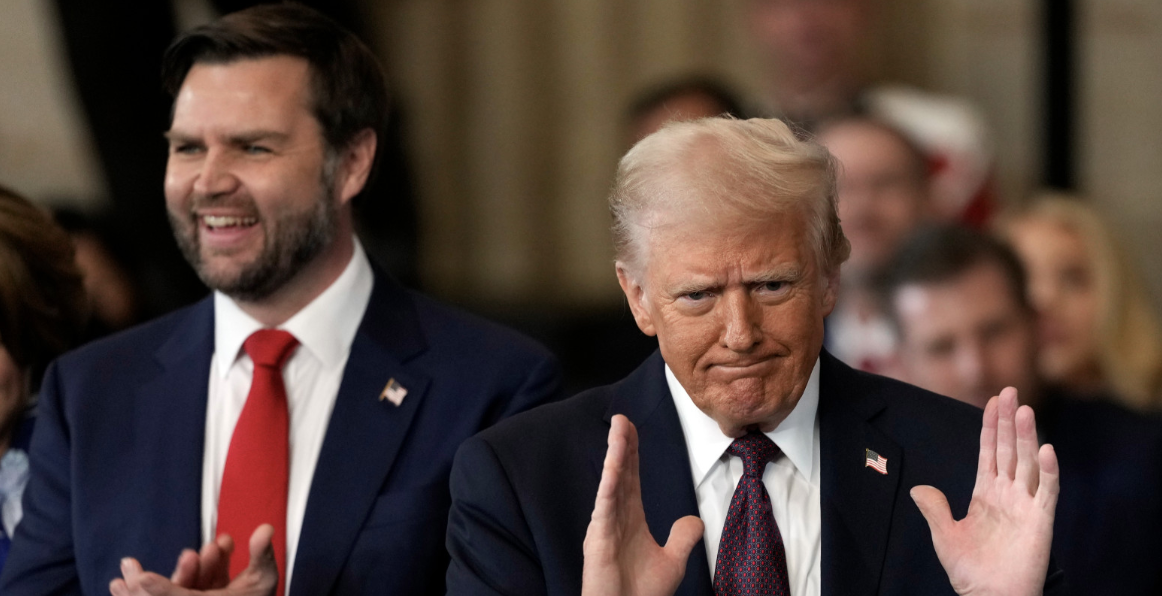
But now, after President Trump ordered another pause in U.S. strikes ahead of the weekend, reports indicate that key American allies are finally stepping up.
According to a report by The Wall Street Journal, Bahrain and Kuwait carried out airstrikes against targets inside Iran earlier this month, marking what would be the first publicly reported direct military actions by the two Gulf states against Iranian territory.
Sources familiar with the matter told the Journal that the operation involved fighter aircraft from Bahrain and Kuwait targeting drone and missile storage facilities, along with other military sites.
The report also said the United Arab Emirates provided intelligence on the targets and defensive air cover during the mission.
Bahrain and Kuwait operate relatively small air forces equipped primarily with U.S. and European-made aircraft.
According to the sources, officials in both countries concluded that a military response was necessary after weeks of Iranian attacks.
Neither Bahrain nor Kuwait has publicly confirmed the reported strikes, and government spokespeople for both countries did not respond to requests for comment from the WSJ.
The reported strikes took place amid the broader regional conflict that began on Feb. 28.
In recent weeks, Iran has concentrated many of its missile and drone attacks on Bahrain and Kuwait, both of which host major U.S. military facilities.
Bahrain is home to the U.S. Navy’s Fifth Fleet, while Kuwait hosts thousands of American service members across multiple military installations.
Over the weekend, Kuwait’s Foreign Ministry said Iran struck a power generation and water desalination facility, describing the attack as a dangerous escalation and a violation of international law.
Both Bahrain and Kuwait have repeatedly activated their air defense systems to intercept incoming Iranian missiles and drones.
Despite the repeated attacks, neither country has reported large numbers of casualties.
The United Arab Emirates’ Foreign Ministry condemned the attacks on Kuwait and Bahrain, expressed solidarity with both countries, and called for a reduction in regional tensions as well as the full reopening of the Strait of Hormuz.
The United States carried out additional strikes across Iran on Friday in response to Iranian attacks on American military bases in Bahrain, Kuwait, and other locations.
However, no further strikes were reported since then, ending a streak of 13 consecutive nights of military operations.
On Saturday, the Iranian government confirmed that by announcing that those attacks had ended for the time being.
Hossein Kermanpour, a spokesman for Iran’s Health Ministry, said in a post on X that no new attacks were reported overnight and that the overall casualty figures remained largely unchanged.
“Fortunately, no attack was recorded last night, and therefore the casualty statistics for the July war, apart from the discharge of a few more injured individuals, did not see any significant change,” he wrote.
“It seems our dear Iran had a peaceful night last night, and no part of its body was struck or hit. Iran’s body is intact. Iranian head is healthy,” Kermanpour added on X.
As of Saturday morning, U.S. Central Command (CENTCOM), which had issued statements and social media updates following each of the previous 13 nights of strikes, had not announced any additional military operations.
According to Axios, Trump decided not to authorize another round of strikes.
Neither CENTCOM nor the White House immediately commented on whether the absence of public announcements signaled a pause in military operations.
The apparent lull followed Trump’s remarks a day earlier that he had not yet decided whether to approve a broader military campaign against Iran.