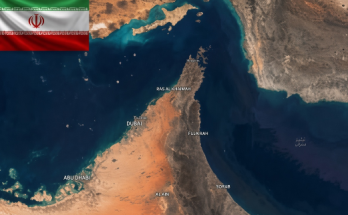
DOHA — Behind closed doors in Doha and Washington, U.S. and Iranian officials are navigating a high-stakes diplomatic confrontation in which the margin for error is rapidly narrowing. With military forces positioned across the region and tensions surrounding the Strait of Hormuz at an elevated level, negotiators face the difficult task of finding a path toward de-escalation without either side appearing to surrender its core demands.
The talks come as the United States maintains significant military pressure on Iran. American naval forces operating in the region have contributed to growing economic and strategic pressure on Tehran, while the possibility of further confrontation has raised concerns about the security of one of the world’s most important energy routes.
Iran has signaled that it could consider reopening the Strait of Hormuz under the right conditions. Tehran, however, is demanding meaningful guarantees in return, including an end to what it views as excessive U.S. military pressure and assurances that any future agreement would be respected.
For Washington, the negotiations represent an opportunity to combine military leverage with diplomacy.
President Donald Trump’s administration has argued that pressure can bring Iran to the negotiating table and produce a more comprehensive agreement than the 2015 nuclear deal. U.S. officials have emphasized the need for stronger restrictions on Iran’s nuclear activities, more extensive verification measures and commitments designed to prevent Tehran from rapidly rebuilding its nuclear capabilities.
Iranian negotiators, however, remain deeply skeptical of Washington’s intentions. Years of confrontation and changes in U.S. policy have reinforced concerns in Tehran that any agreement could be abandoned or revised by a future administration.
That mistrust represents one of the biggest obstacles facing negotiators.
At the center of the discussions are several difficult issues, including limits on uranium enrichment, international inspections, sanctions relief, regional security and guarantees surrounding the implementation of any agreement.
The Strait of Hormuz adds another layer of urgency.
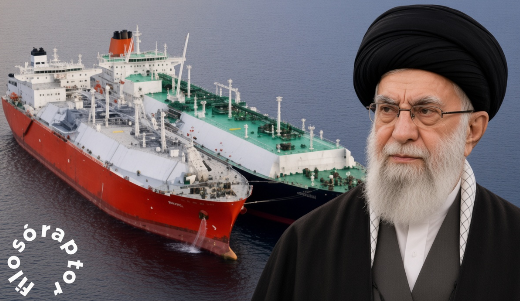
The waterway is a crucial route for global energy shipments, and prolonged disruption could send oil prices higher while creating significant economic consequences far beyond the Middle East. Shipping companies, energy producers and international governments are therefore watching the negotiations closely.
A successful diplomatic breakthrough could ease pressure across the region. Tanker traffic could gradually resume, financial markets could stabilize and military forces could begin stepping back from heightened alert.
Failure, however, could produce the opposite result.
Without an agreement, the confrontation could continue along its current trajectory, leaving the region vulnerable to further strikes, retaliation and miscalculation. A single military incident involving American, Iranian or allied forces could potentially trigger a much broader escalation.
For now, negotiators remain focused on finding common ground.
Neither Washington nor Tehran appears eager to abandon its strategic objectives, but both sides have powerful incentives to prevent the crisis from spiraling further.
The diplomatic window may be narrow, but the stakes could hardly be higher. The outcome of these negotiations could determine whether the region moves toward a fragile period of de-escalation—or deeper confrontation with consequences reaching far beyond the Middle East.