WASHINGTON — Viral social-media posts claiming that President Donald Trump was shot in Washington, D.C., have circulated online, generating alarm and speculation among users. However, as of September 22, 2026, the claim has not been substantiated by credible evidence reviewed for this report.
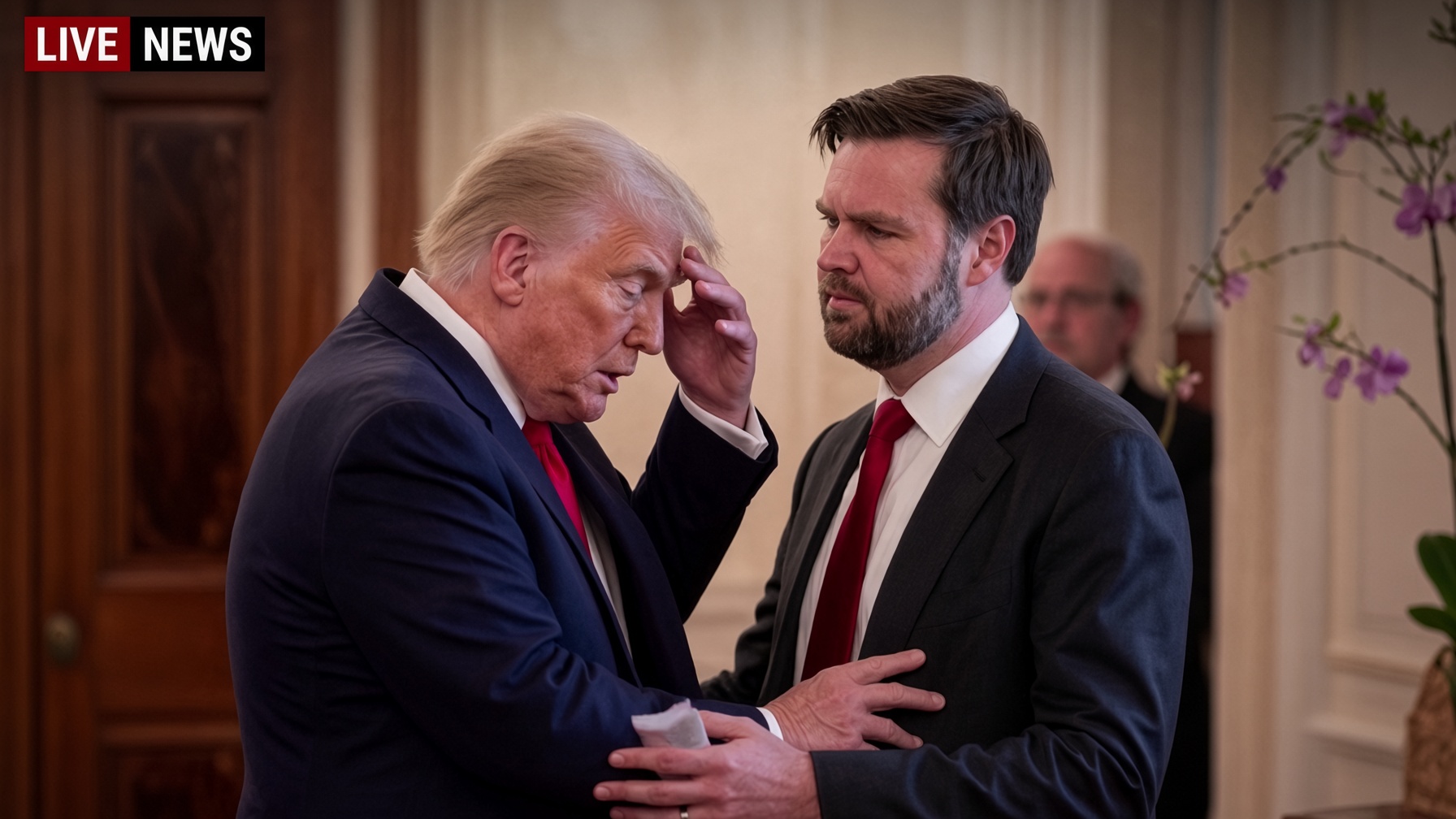
Posts circulating online have reportedly used urgent language suggesting that Trump was attacked “minutes ago,” encouraging users to share the material as breaking news. But no credible source identified in the reporting reviewed for this article has established that Trump was shot in Washington.
There has also been no verified public announcement identified from federal authorities confirming that the president was injured in a shooting.
That distinction is important. The existence of a widely shared post, photograph, video or screenshot does not independently establish that an event occurred. In breaking-news situations involving a president, information must be checked against authoritative sources and independent reporting before an allegation can be presented as fact.
Viral Claims Can Outpace Verification
Claims involving the safety of a sitting president can spread particularly quickly because of the enormous public interest surrounding presidential security.
Social-media platforms allow users to repost material within seconds, often before journalists, law-enforcement agencies or government officials have had an opportunity to establish what happened.
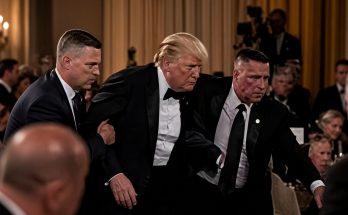
Images can also be separated from their original context. Older photographs or video clips may be reposted with new captions, while genuine footage from a previous event can be presented as though it depicts a newly developing incident.
Other posts may rely on cropped screenshots, anonymous accounts or dramatic headlines without identifying a verifiable source.
For that reason, the wording of an online post is not itself evidence that the underlying event occurred.
When an allegation involves an attack on a president, confirmation would normally be expected from authoritative government sources and multiple independent news organizations. Until such confirmation exists, a viral claim should remain identified as an allegation rather than a confirmed event.
Trump’s 2024 Assassination Attempt Is Documented
The current online claims are also likely to attract attention because Trump was the target of a documented assassination attempt in 2024.
On July 13, 2024, then-former President Trump was shot and wounded during a campaign rally in Butler, Pennsylvania. The FBI identified Thomas Matthew Crooks as the shooter and took the lead in the federal investigation. The bureau formally described the incident as an assassination attempt and investigated it as potential domestic terrorism.
One rally attendee, Corey Comperatore, was killed, while two other spectators were wounded. Trump suffered an injury during the shooting. Crooks was subsequently killed by a Secret Service counter-sniper. The Secret Service later documented the incident in its internal review of the agency’s response.
The FBI continued investigating the attack, including Crooks’ movements, electronic devices, background and possible motive. In August 2024, the bureau said investigators had conducted nearly 1,000 interviews and reviewed hundreds of hours of video footage.
Because extensive photographs and videos from the Butler shooting remain available online, material from that incident can potentially be misrepresented when detached from its original date and location.
A Separate 2026 Shooting Near the White House
Another incident in Washington has also contributed to the broader background surrounding online claims about presidential security.
On May 23, 2026, a gunman opened fire near a White House security checkpoint. Secret Service personnel returned fire and killed the suspect. A bystander was wounded during the exchange.
Trump was inside the White House at the time, but reporting from the incident stated that he was not impacted by the shooting. Secret Service personnel were also not injured.
That event was separate from the current social-media claim that Trump himself was shot in Washington.
The distinction between these incidents is important because dramatic images or references to gunfire near the White House can easily become misleading when they are reposted without dates, locations or context.
What the Available Evidence Shows
The evidence reviewed for this report does not establish that Trump was shot in Washington, D.C., in the incident described by the viral posts.
That does not prove that every individual post circulating online is fabricated, but it does mean that the central allegation has not been independently established by the credible sources reviewed.
The documented record does show that Trump survived the July 2024 assassination attempt in Butler, Pennsylvania. It also shows that a separate shooting occurred near a White House checkpoint in May 2026 while Trump was inside the building. Neither event confirms the current viral claim.
Why Verification Matters
The episode illustrates the challenge of reporting breaking news during an era in which information can spread globally before basic facts have been established.
A genuine emergency involving the president would be expected to generate a substantial official and journalistic record. Security agencies, government officials, reporters and major news organizations would have strong reasons to establish the president’s condition and location.
Until that type of confirmation is available, repeating an unverified claim as fact can amplify misinformation and create unnecessary public alarm.
For now, the claim that Donald Trump was shot in Washington, D.C., remains unverified. No credible evidence reviewed for this report establishes that such an attack occurred on September 21 or September 22, 2026.
The documented history of violence against Trump makes the allegation especially serious, but that history should not be used as evidence that a new attack has taken place. The appropriate distinction remains between what has been confirmed, what has been reported, and what is only circulating online.