WASHINGTON — President Donald Trump is intensifying his rhetoric toward Iran as U.S. and Iranian officials prepare for potentially critical negotiations aimed at bringing an end to the latest escalation in hostilities.
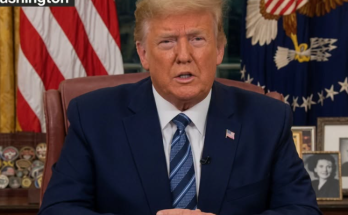
In a post on Truth Social, Trump argued that Tehran enters the negotiations from a position of weakness, accusing Iranian leaders of attempting to use international shipping routes as leverage. He specifically pointed to the Strait of Hormuz, one of the world’s most strategically important maritime chokepoints.
Trump said Iran had few remaining options beyond threatening international commerce and argued that the country’s military capabilities had been severely damaged by the U.S. campaign.
He claimed that Iran’s navy, air force, air-defense systems and radar infrastructure had suffered extensive losses, while its missile and drone capabilities had also been significantly degraded. Trump further asserted that senior Iranian leaders had been killed during the conflict.
Those claims could not independently be verified in the information provided, underscoring the importance of distinguishing official statements from independently confirmed battlefield developments.
The president also said the United States had begun efforts to clear the Strait of Hormuz, describing the operation as being carried out for the benefit of countries that depend heavily on the waterway for energy supplies and commercial shipping.
The strait is particularly important to global markets because large volumes of oil and other energy products pass through the narrow waterway. Any prolonged disruption could create significant consequences for fuel prices, shipping costs and economies around the world.
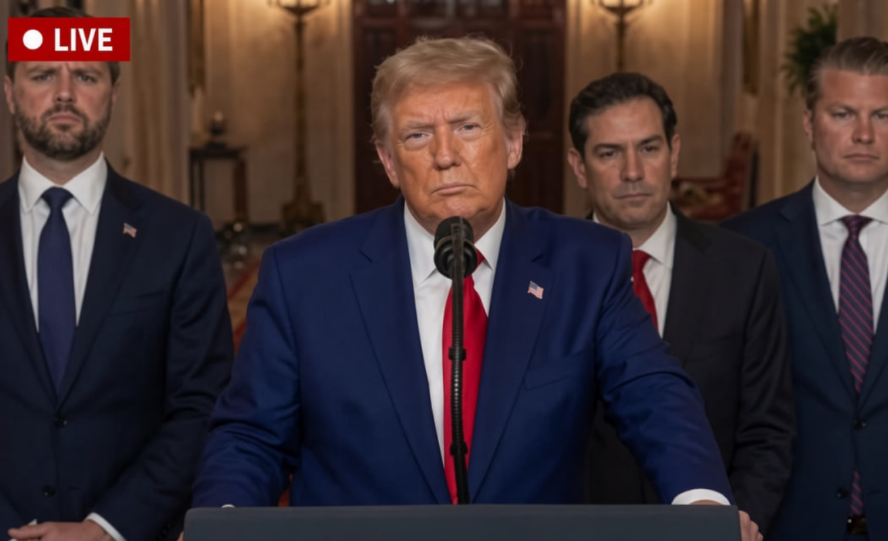
Against that backdrop, a senior U.S. delegation is preparing for talks with Iranian representatives. Vice President JD Vance is expected to lead the American delegation, alongside Middle East envoy Steve Witkoff and senior adviser Jared Kushner.
The negotiations could become a pivotal moment in determining whether the confrontation moves toward de-escalation or another round of military action.
Meanwhile, the political debate inside the United States has intensified.
Sen. John Fetterman, speaking with Fox News host Jesse Watters, criticized what he described as overly sympathetic coverage of Iran in portions of the American media. Fetterman argued that discussions about the conflict should also consider Iran’s history of supporting militant groups and pursuing nuclear capabilities.
He said the United States has an obligation to confront threats posed by the Iranian government while maintaining its role as a force for stability.
The comments come amid continued controversy over civilian casualties resulting from the conflict.
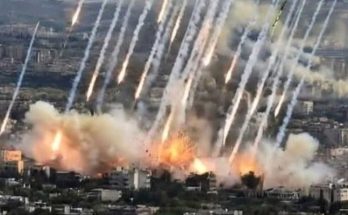
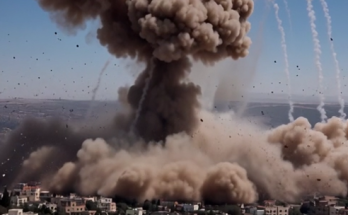
One particularly contentious incident involved a February 28 U.S. Tomahawk missile strike that struck the Shajarah Tayyebeh elementary school building in Minab, southeastern Iran. Iranian authorities reported a large number of deaths, including children.
A preliminary U.S. military investigation reportedly concluded that the strike resulted from faulty targeting intelligence and outdated information. The intended target was reportedly an Iranian military facility located nearby.
The incident has intensified debate over the conduct of military operations and the risks civilians face during wartime.
With negotiations approaching, both Washington and Tehran face enormous pressure. The United States wants to preserve its military leverage and protect international shipping, while Iran faces the challenge of negotiating under intense economic and military pressure.
Whether the talks can produce a durable agreement remains uncertain.
For now, the Strait of Hormuz remains a central flashpoint, while the world watches to see whether diplomacy can succeed before the confrontation escalates further.